
So You Want to Play Golf in Los Angeles
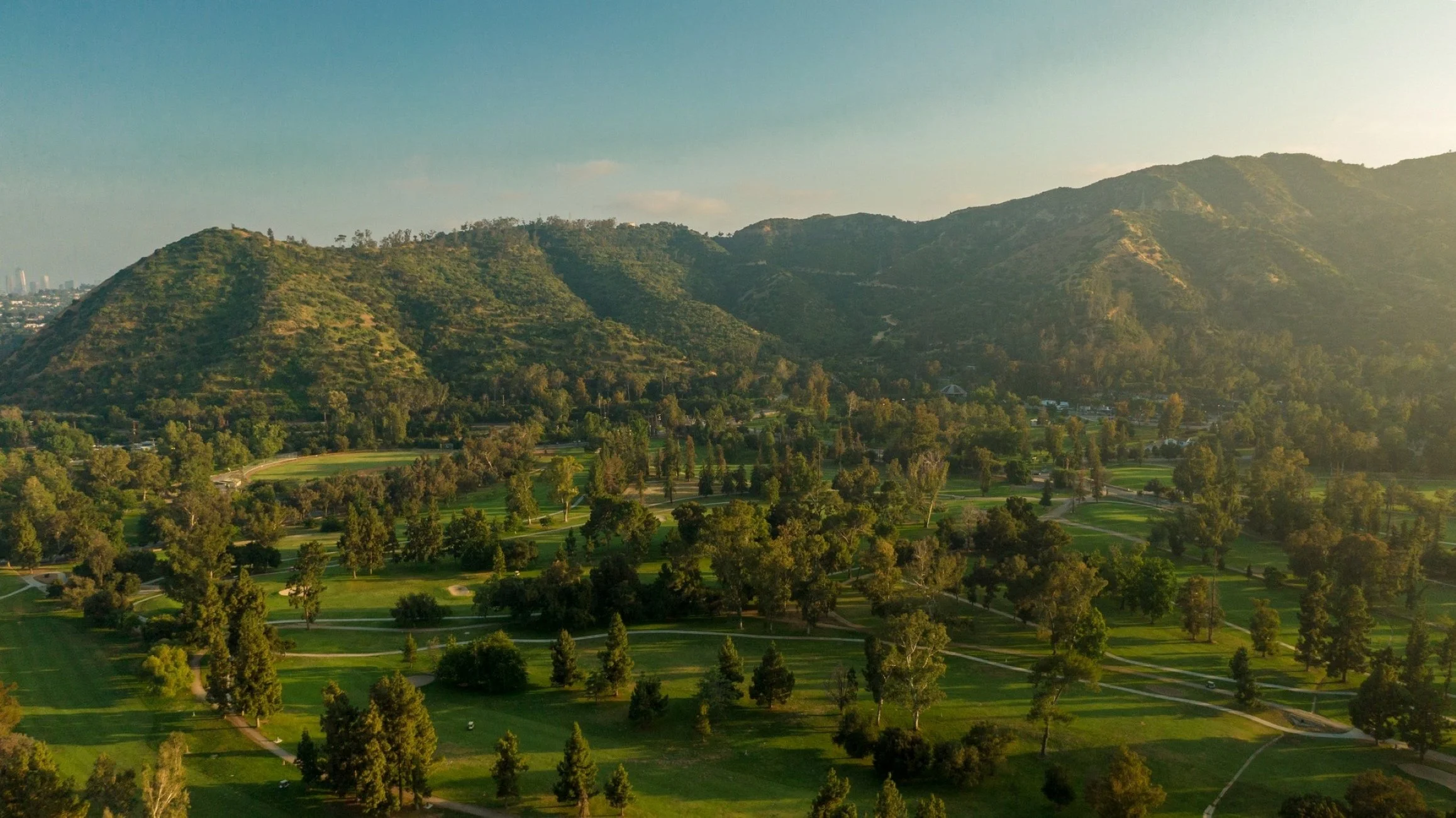
Maybe someone handed you a club and something clicked. Maybe you've been driving past Griffith Park at dawn for years and finally decided to stop wondering what it's like out there. Maybe you just needed a reason to be outside and moving, and golf showed up at the right time.
However you got here, you're in the right city.
The City Has More Golf Than You Think
LA has a reputation as a traffic problem with a coastline. What it doesn't advertise is that it also has one of the most accessible public golf networks in the country.
The city and county operate a string of municipal courses spread across the basin from the valley to the westside. Griffith Park, Rancho Park, Penmar, Hansen Dam, Roosevelt. Green fees on a weekday morning run somewhere between $20 and $40 depending on the course and the season. No membership required. No connections needed. You book a tee time online and show up.
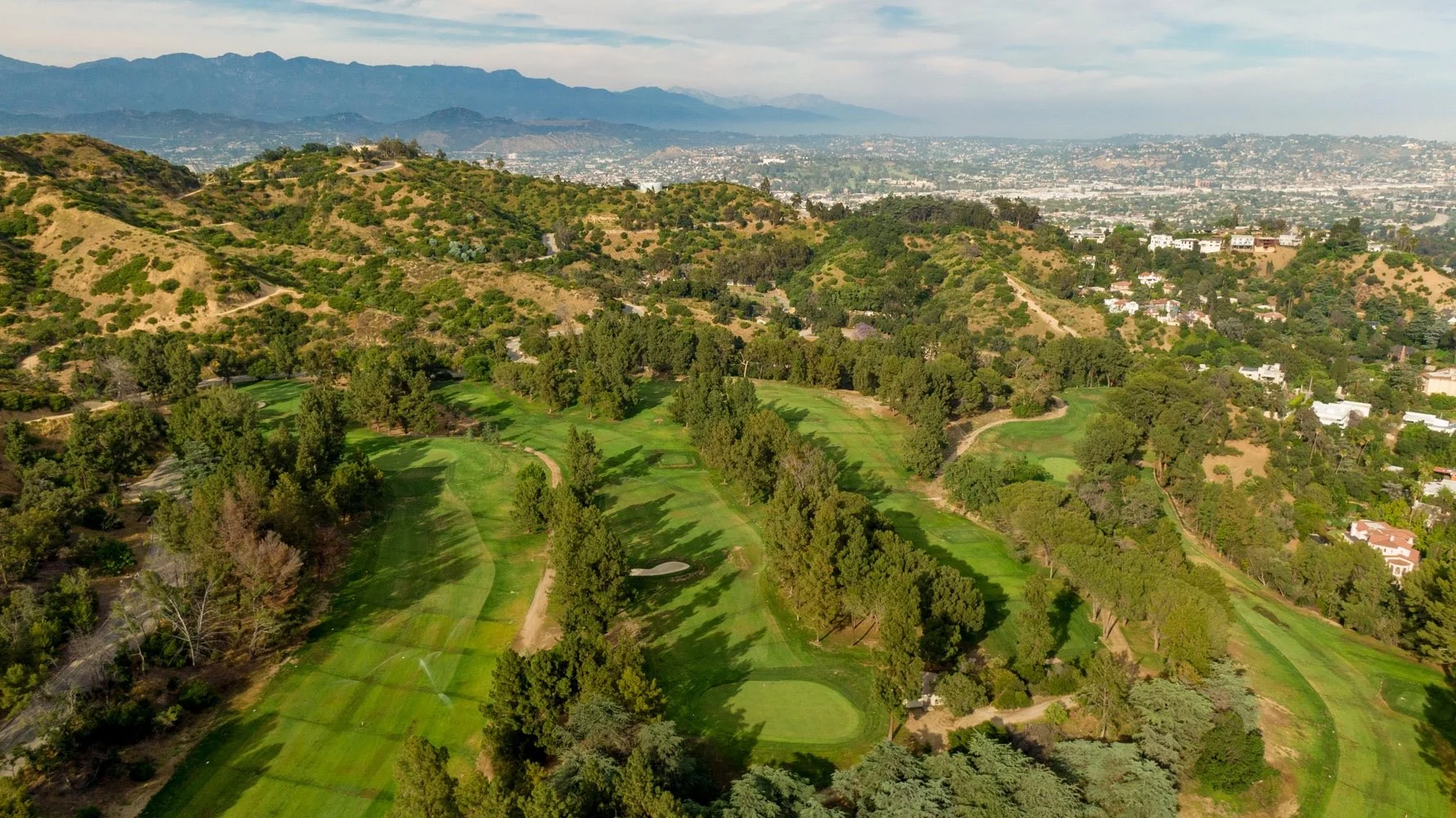
This is muni golf. It's where most people in Los Angeles actually play. Some of these courses are genuinely beautiful, with wide fairways, mature trees, and mountain views on a clear morning. Some have seen better decades. All of them have a culture worth getting into: unhurried, diverse, unpretentious. Less about how you look, more about whether you're keeping pace with the group ahead.
Start here.
Walk Before You Run
The instinct when you start is to go straight to an 18-hole course. Resist it.
A full round takes four to five hours. When you're new, a lot of that time is spent hunting balls in the rough, waiting on the group ahead of you, and quietly losing your mind over a game that refuses to cooperate. Some courses book tee times five minutes apart, which means the pace is only as good as the slowest group on the course. We see you, Roosevelt.
Start on a par-3 or a driving range. Penmar in Venice has a nine-hole layout that's flat and forgiving, sitting a few miles from the beach. Griffith Park has a beginner-friendly nine called the Rooster9, winding through the hills above Los Feliz. Rancho Park has a separate par-3 course you can walk in under two hours.
Get comfortable with contact before you worry about score. The score sorts itself out eventually.
Pay for One Lesson
YouTube has ten thousand videos on the golf swing. None of them can watch you hit a ball and tell you what's actually wrong.
A single lesson with a teaching pro will tell you more about your swing than three months of self-taught range sessions. Most LA public courses have one on staff. It doesn't need to be a commitment. One hour early on saves you from ingraining something that takes two years to fix.
The rest you learn by playing. Golf is a feel sport. You get better by doing it, not studying it.
What to Wear
The dress code at most LA munis is loose. Collared shirt, no jeans, closed-toe shoes. But loose doesn't mean anything goes. Golf is an old game, and part of respecting it is showing up like you mean it. You don't need to look like you stepped out of a catalog. You just shouldn't look like you wandered in from the parking lot by accident.
A polo and a clean pair of shorts is always the right call.
One thing that is genuinely non-negotiable: a hat. The sun on an open golf course in Southern California is not subtle. You'll spend more time than you expect standing in the middle of a fairway with nothing between you and the sky, and by the back nine you'll feel every minute of it. We make hats built for this.
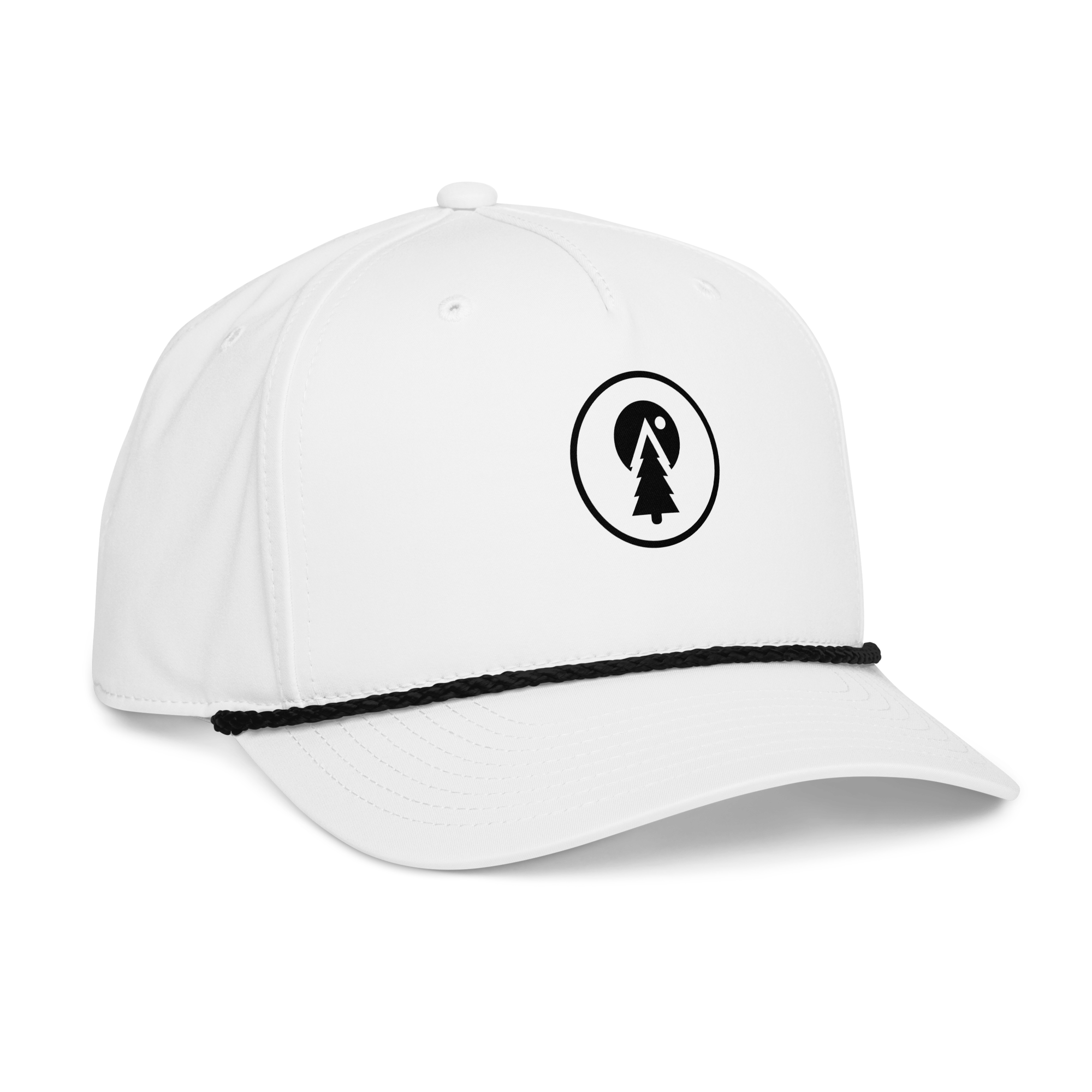
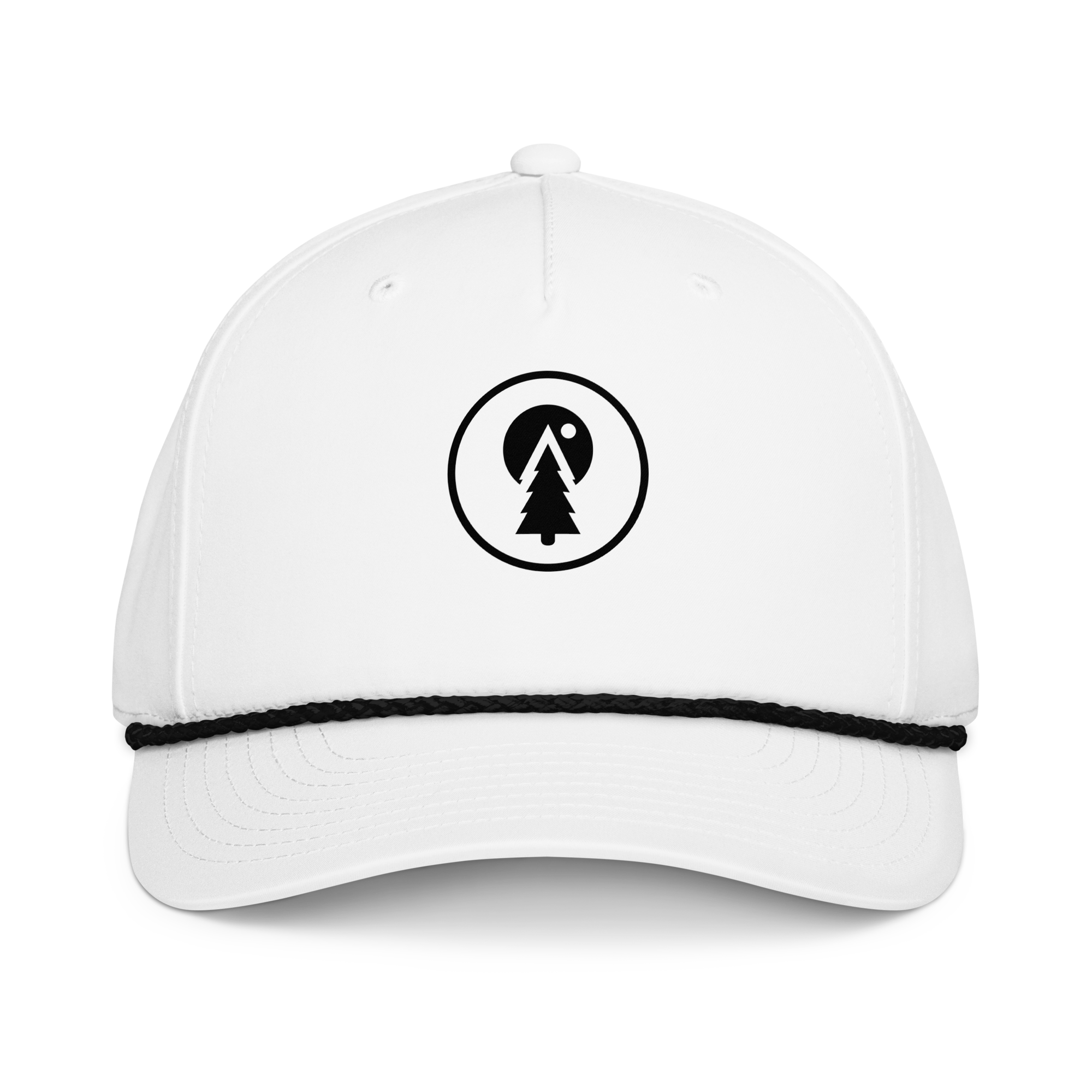
The Grizzle cap in white and black. Lightweight 100% polyester, Stay-Dri sweatband, braided rope detail on the curved bill. Structured mid-profile fit that holds its shape. Adjustable snapback, one size fits most.
How to Behave Out There
Golf has more unwritten rules than written ones. The ones that matter most, early on.
Pace of play is everything. You don't need to play fast. You need to keep up with the group in front of you. Falling behind? Wave the group behind you through. It costs nothing and keeps things moving.
When someone's hitting, be quiet. Not just out of their sightline. Nearby. The game requires a level of silence that takes some getting used to, but you adjust.
Leave the course better than you found it. Same ethic as the backcountry: fix what you disturb, so the next person has something worth playing. Replace divots, repair ball marks on the green, rake the bunker after you play from it. These aren't formalities. They're the reason good courses stay good.
On Equipment
You don't need fourteen clubs to start. You don't need new clubs at all.
On a par-3 course, leave the driver in the car. You won't use it. A handful of irons, a wedge, and a putter will cover every shot you'll hit. For a full course, a basic setup works fine: a fairway wood, a 5-iron, a 7-iron, a 9-iron, a pitching wedge, a putter. That's it.
Decent used sets turn up constantly on Facebook Marketplace and at Play It Again Sports. Spend a little, get something functional, and figure out whether you actually enjoy this before putting real money into gear.
The clubs matter far less than most people think at this stage. The swing matters. Work on that first.
When to Show Up
Early morning on a weekday. That's the answer.
The course is cooler, the pace is faster, and the light in LA at 7am has a quality that's hard to describe and worth experiencing. Long shadows across the fairway, the San Gabriels sitting behind everything. It's worth setting the alarm.
Twilight rates kick in late afternoon and offer a cheaper round when the summer sun starts to soften. Weekend mornings work but book fast and run slow. Mid-week, if you have flexibility, is a different experience entirely.
Most courses open bookings seven days in advance. Book online, show up ten minutes early, bring water.
The Player Card
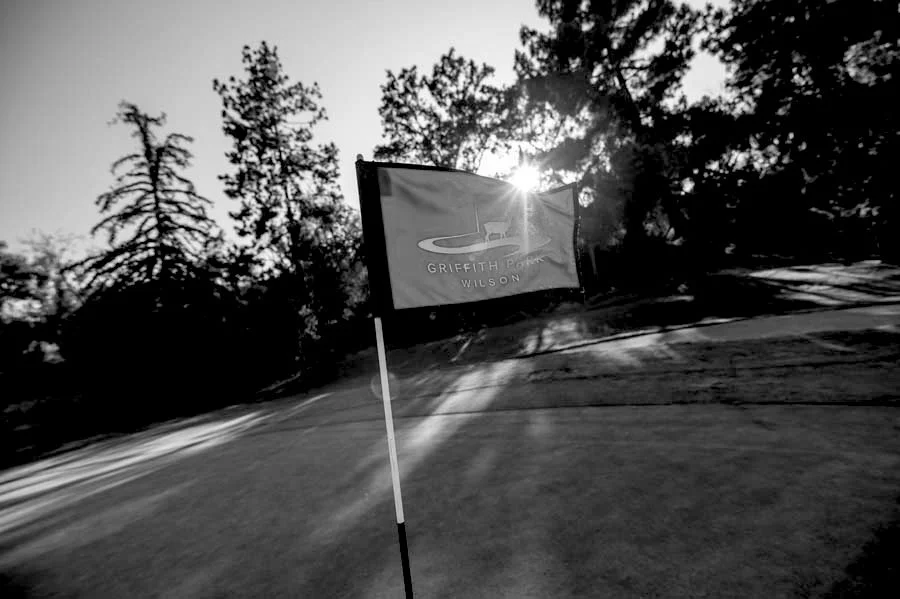
If you're going to play LA city courses more than a few times, get the City Golf Player Card. It costs $25 a year and can be picked up in-person at any LA City Golf course — bring ID.
What it gets you: the ability to book tee times up to nine days in advance instead of the standard window. On popular courses, that extra window is the difference between playing and watching someone else play your usual Saturday morning.
Worth knowing: there's now a $10 non-refundable deposit when you book. It's a recent addition and it came out of necessity. Brokers and bots had taken over the booking system, bulk-reserving tee times and reselling them at a markup, locking out the regulars these courses were built for. The deposit helps prevent that.
It says something about where public golf in LA is right now. Popular enough to be worth gaming, which means it's also worth protecting. The card is a small way of doing that.
The Thing Nobody Warns You About
Golf is going to be frustrating. Not occasionally. Consistently, reliably, almost personally frustrating.
You'll hit a perfect shot and follow it immediately with something you cannot explain. You'll play a great front nine and fall apart on the back. You'll make the same mistake on the same hole across three consecutive rounds, and then pure it on a Tuesday when nobody's watching, with nothing to show for it but the memory.
That's the game. It doesn't resolve. It doesn't get easier in the way you want it to. What happens instead is that you start to find something in the attempt itself. The early alarm. The walk. The one shot per round that earns the next one.
Los Angeles has a lot of those mornings. Go find one.
Grizzle makes golf goods for players who live beyond the clubhouse — weargrizzle.com